Behavioral Design Analytics
Leveraging cognitive psychology and data loops to optimize complex choice architectures for tier-one financial institutions.
Role: Product Designer & Behavioral Systems Specialist
Key Learnings
- Setting assumptions before an interview creates insights
- Cognitive psychology can conflict with usability changes required
- Drop off rates lacks the context we need to make decisions
- Nudging is all about finding the perfect timing for an intervention
- Changing human behavior comes down to motivation
Financial Complexity & Friction
Navigating the Friction of Long-Term Decision Making
Financial interfaces are naturally riddled with intense cognitive friction. When users interact with retail banking frameworks or complex investment setups, they are routinely overwhelmed by choice overload, loss aversion, and abstract data configurations. At Gravity Ideas, the challenge was partnering closely with behavioral science teams to transform intimidating financial processes into clear, intuitive decision paths that match how human brains naturally parse risk, value, and commitment.
Behavioral Auditing & System Optimization
Mapping the Psychology of the User Journey
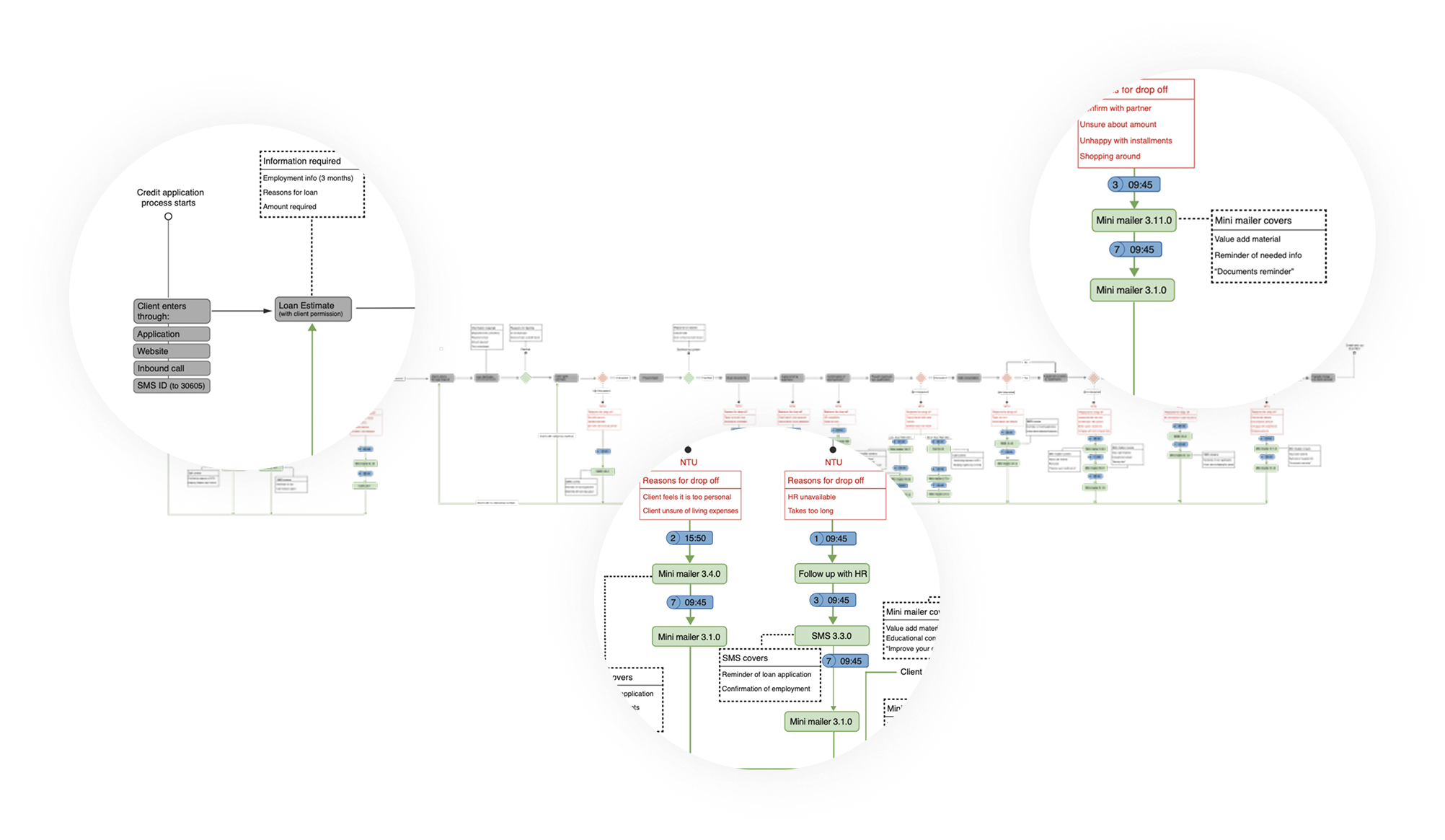
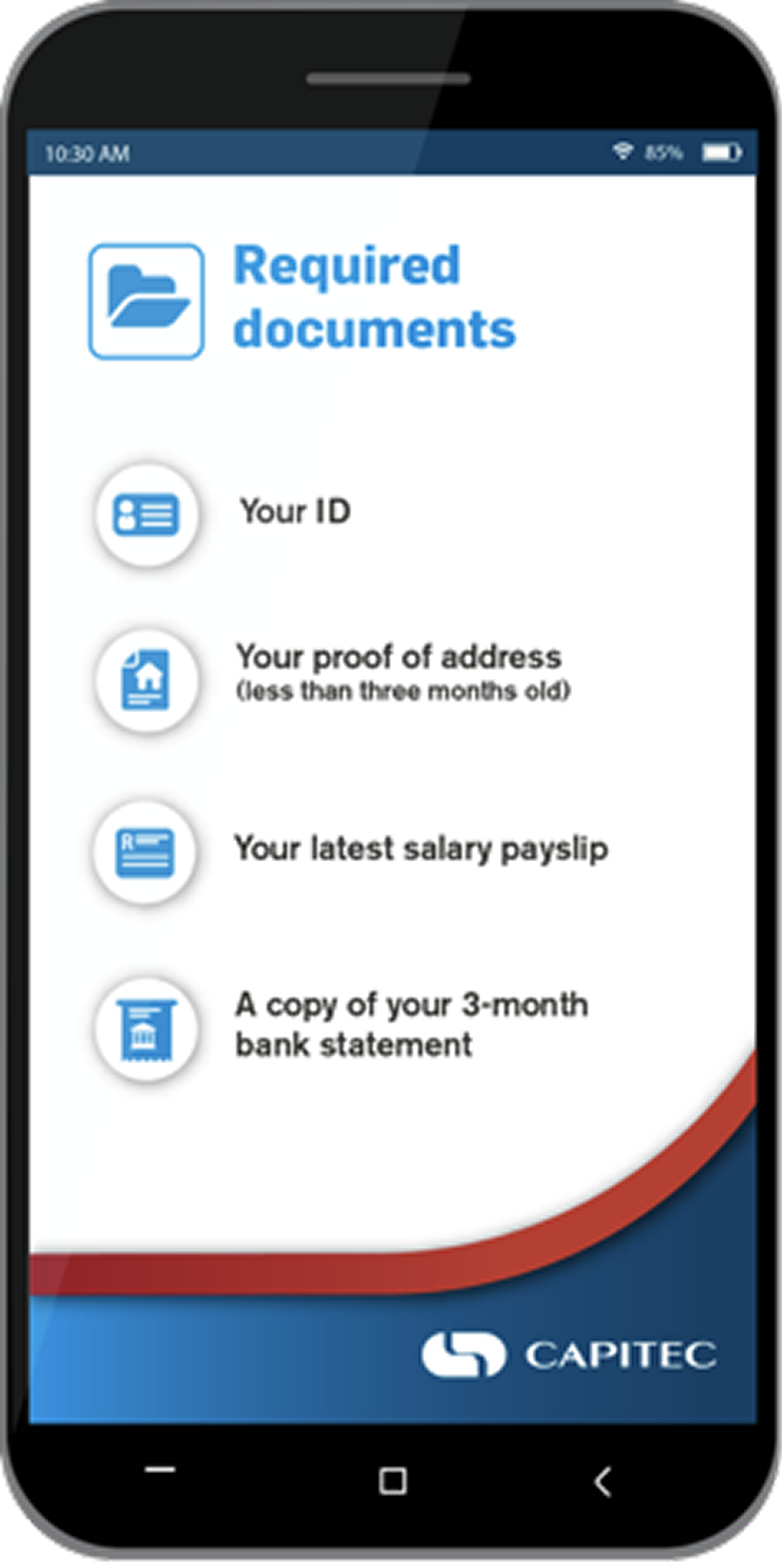
To fix conversion leaks across customers like Capitec and Allan Gray's digital properties, I worked hand-in-hand with behavioral analysts to run comprehensive behavioral audits. We went past surface-level click maps to trace deeper cognitive bottlenecks. By identifying exactly where users experienced choice fatigue or high psychological friction, we completely overhauled their structural forms, re-architecting multi-step applications to reduce anxiety and support clear user momentum.
Designing for Completion Bias
Interventions for Higher Task Completion
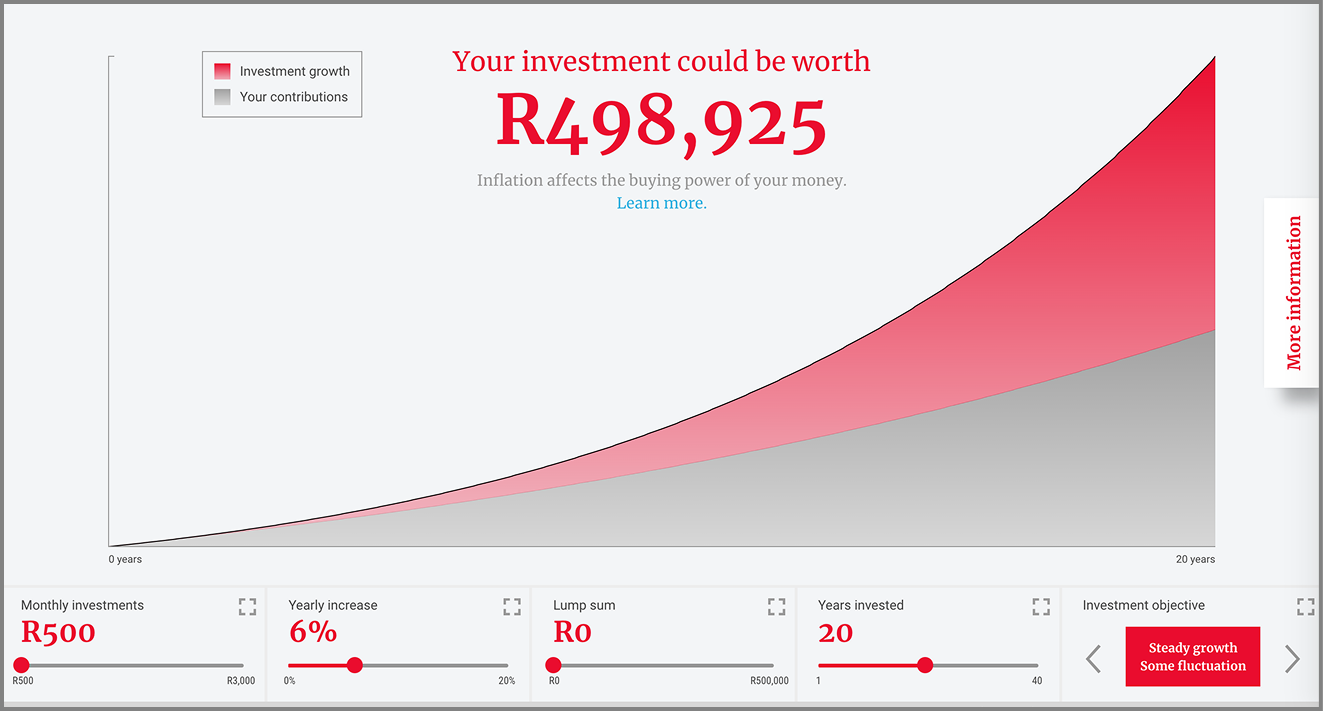
- Harnessing Completion Bias & Progress Loops: In long-term investment environments like Allan Gray, user drop-off often stems from a lack of immediate reward or clear visual momentum. I identified improvements using completion bias and the goal-gradient effect. By chunking dense, multi-page data inputs into intuitive, highly visual milestones, we transformed static form-filling into an engaging progress loop, giving users a clear psychological drive to finish the process.
- Eliminating Saving Friction & Default Architectures: For retail banking ecosystems, the challenge was making healthy financial behaviors the clear path of least resistance. I worked on choice architectures that restructured savings patterns. By optimizing default option states and utilizing subtle psychological nudge mechanisms, we smoothed the transition from short-term spending to proactive saving, removing tiny points of interactive friction that typically derail user intent.
Behavioral Outcomes & Metrics
Driving Significant User Survey Completion
Grounding user-experience design in strict behavioral science yields massive, measurable returns. By pairing strategic interface tweaks with data-backed psychological frameworks, we achieved an exceptional 87% positive user survey completion rate. More importantly, this cross-disciplinary approach successfully removed structural conversion friction for hundreds of thousands of institutional clients, proving that clear choice architecture directly drives customer value and business growth.
Interdisciplinary Leadership & Alignment
Bridging Data Science and Creative Execution
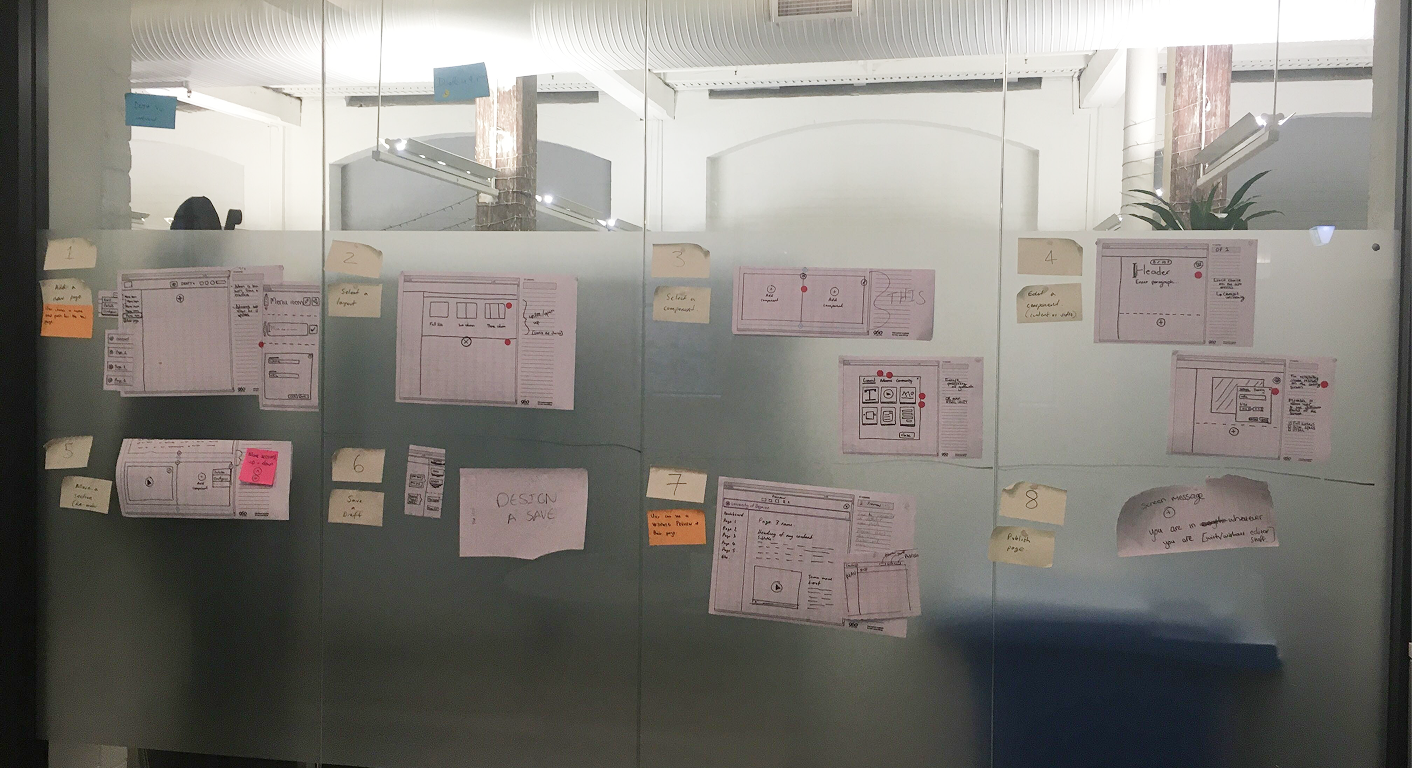
Designing with behavioral science requires a unique cross-functional bridge. Throughout these initiatives, I acted as the primary translator between data analysts, behavioral researchers, product owners, and engineering teams. By running collaborative co-design workshops, anchoring wireframes to explicit psychological principles, and setting up strict conversion measurement frameworks, I ensured every interface detail was backed by research and built for production scale.